

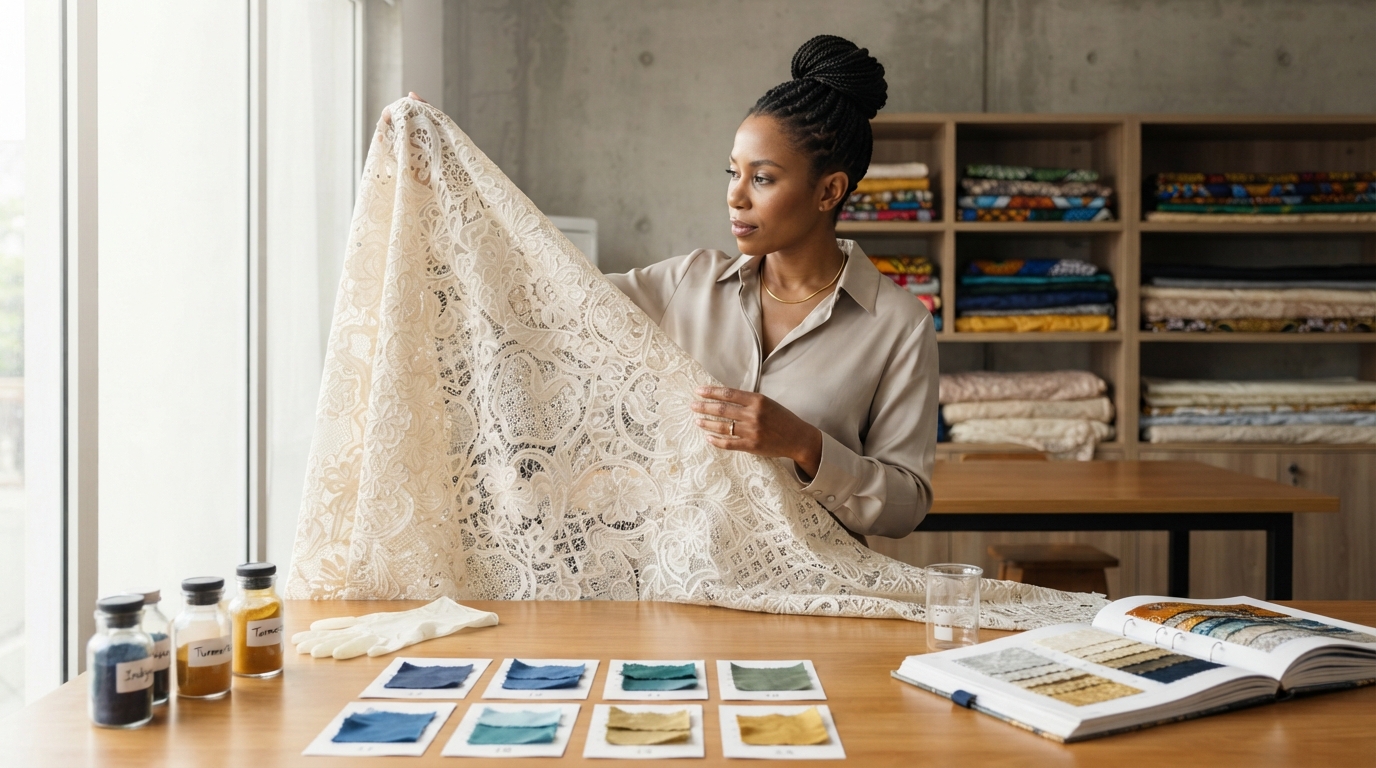
Best Fabrics for Nigerian Weather: Stay Stylish and Cool
Best Fabrics for Nigerian Weather: How to Stay Stylish and Comfortable
Looking stylish at a Nigerian wedding, birthday party or owambe celebration is one thing. Staying comfortable in the heat while wearing your outfit is another.
Between hot afternoons, humid weather, crowded venues and long celebrations, the fabric you choose can make a noticeable difference to how comfortable you feel throughout the day.
A beautiful outfit should not only look good in pictures. It should also suit the weather, the occasion and the amount of time you expect to spend wearing it.
So, which fabrics are worth considering for Nigerian weather, and what should you look out for before buying your next asoebi material?
Why Fabric Choice Matters in Nigerian Weather
Nigeria experiences different weather conditions depending on the region and season, but heat and humidity can be important considerations when choosing clothing.
Some fabrics allow air to move through them more easily, while others trap more heat or feel heavier against the skin. The weave, thickness, lining, fit and number of garment layers can all affect comfort.
This means that choosing a fabric is not just about colour or appearance. It is also about how the material will feel when you wear it.
1. Cotton: A Practical Choice for Everyday Comfort
Cotton is widely used in clothing because it is generally breathable and absorbs moisture.
Depending on its weave and weight, cotton can work well for casual dresses, shirts, skirts and relaxed outfits.
For everyday wear in warm weather, lightweight cotton may be worth considering. However, thick cotton fabrics and tightly fitted garments may feel warmer, while moisture absorbed by cotton can take time to evaporate in humid conditions.
Styling tip: Consider a relaxed cotton dress or a comfortable cotton blouse paired with a skirt or trousers for a simple daytime look.
2. Lightweight Ankara: Colourful and Versatile
Ankara is popular for its colourful prints and versatility. It can be used to create dresses, skirts, blouses, matching sets and traditional occasion outfits.
However, Ankara is not one single fabric construction. Different products can vary in weight, weave and finishing, so comfort depends on the specific material you choose.
For hot weather, consider a lighter Ankara fabric and a design that allows comfortable movement. Avoid adding unnecessary layers if you expect to spend a long time outdoors.
Styling tip: A simple Ankara midi dress or a relaxed two-piece outfit can provide a colourful look without requiring an elaborate design.
3. Voile: Light and Airy
Voile is a lightweight fabric commonly used for dresses, blouses, overlays and other garments that benefit from a soft, airy appearance.
Its lightweight construction can make it suitable for warm-weather outfits, although the exact feel depends on the fibre content and finishing.
Some voile fabrics may be semi-sheer, so you may need a lining or an appropriate undergarment. Keep in mind that heavy lining can affect the breathability of the finished outfit.
Styling tip: Consider a flowing voile dress or a lightweight blouse with a lining chosen to suit the fabric and design.
4. Chiffon: For Soft, Flowing Occasion Wear
Chiffon is known for its lightweight appearance and flowing drape. It is often used for overlays, sleeves, scarves and layered occasion outfits.
Its lightness can make it appealing for special events, but chiffon is frequently sheer and may need additional layers underneath.
For warm weather, ask your tailor to consider the lining, number of layers and fit before finalising the design.
Styling tip: Chiffon sleeves or a light outer layer can add movement to an outfit without covering the entire garment in heavy material.
5. Lace: Beautiful for Asoebi, but Choose Carefully
Lace is a familiar choice for Nigerian weddings, engagements and other celebrations. Its decorative patterns can create an elegant appearance, making it popular for gowns, blouses and coordinated asoebi outfits.
However, lace comes in many forms. Some varieties are lightweight and open, while others are densely embroidered, heavily embellished or backed with additional material.
For a hot outdoor event, the weight of the lace and the lining underneath may affect comfort more than the word “lace” alone.
Styling tip: If comfort is a priority, consider the weight of the lace, the breathability of the lining and a design that does not feel unnecessarily restrictive.
6. Linen: A Strong Option for Relaxed Warm-Weather Outfits
Linen is made from flax fibres and is known for its breathable feel and characteristic texture. It can be a useful choice for warm-weather shirts, trousers, dresses and relaxed coordinated outfits.
One feature to remember is that linen tends to wrinkle. Depending on the look you want, this natural texture may be part of its appeal or something you prefer to minimise through styling and garment construction.
Styling tip: A relaxed linen shirt with tailored trousers can create a smart casual look that works for daytime outings.
7. Brocade and Heavier Decorative Fabrics: Save the Design for the Right Occasion
Brocade and other decorative woven fabrics can be beautiful choices for traditional celebrations and structured outfits.
However, some varieties are heavier and less airy than lightweight cotton or voile. Their comfort will depend on the particular fabric, its fibre content, weave and the design of the garment.
This does not mean you should avoid brocade in warm weather. Instead, consider the venue, event duration and the amount of coverage in your chosen outfit.
Styling tip: For an event in a hot outdoor setting, you might choose a design that uses the heavier fabric selectively rather than adding several layers.
How to Choose Fabric for an Outdoor Nigerian Wedding
When selecting fabric for an outdoor celebration, consider these five factors.
Check the fabric’s weight
Hold the material and compare it with similar fabrics. Lightweight materials may be more comfortable in the heat, but the weave and construction matter too.
Consider the lining
A breathable outer fabric can still feel warm if the outfit has a heavy lining. Ask your tailor which lining is suitable for the design without compromising coverage.
Think about the fit
Very tight garments may restrict movement and feel less comfortable in humid conditions. Choose a fit that allows you to sit, walk and dance comfortably.
Plan for the event duration
An outfit worn for a short ceremony may feel different from one worn throughout a long wedding reception. Consider whether you will be sitting outdoors, moving between venues or dancing for several hours.
Match the fabric to the occasion
A lightweight casual fabric may be ideal for a daytime outing, while lace or brocade may better suit a formal traditional celebration. The goal is to balance appearance, comfort and the dress code.
Fabrics That May Feel Uncomfortable in Hot Weather
There is no single fabric that is unsuitable for every warm-weather occasion. Nevertheless, some characteristics may make a garment feel warmer.
- Heavy or dense fabrics: These can hold more warmth, depending on their construction.
- Multiple thick layers: Extra layers can reduce airflow around the body.
- Tight-fitting outfits: These may feel restrictive, especially during long celebrations.
- Non-breathable linings: The lining can change how the entire outfit feels against the skin.
- Heavy embellishments: Beading and other additions may increase the weight of the garment.
Before choosing your fabric, think about the complete outfit rather than the outer material alone.
How to Stay Comfortable Without Compromising Your Style
You do not have to sacrifice an elegant appearance to dress for the weather.
Choose a fabric that suits your design, avoid unnecessary layers and discuss lining options with your tailor. For outdoor events, you can also consider comfortable footwear and a style that allows you to move freely.
If you are buying asoebi fabric for an entire group, remember that guests may have different comfort preferences. Where the event’s dress code permits, allow room for different silhouettes while keeping the selected fabric or colour theme consistent.
Final Thoughts
The best fabric for Nigerian weather is not necessarily the thinnest or most expensive one. It is the material that balances comfort, appearance, garment design and the conditions in which you will wear it.
Cotton, lightweight Ankara, voile, chiffon and linen can all be worth considering for different outfits. Lace and brocade also have their place, particularly when you pay attention to weight, lining and construction.
Before buying your next fabric, consider the occasion, the weather and the design you want to create.
At Subtle Fabrics, choosing the right fabric begins with understanding your needs. Compare available materials, check their specifications and speak with your tailor to find an option that works for your next event.
Subtle Fabrics — Style Beyond Fabrics.


