

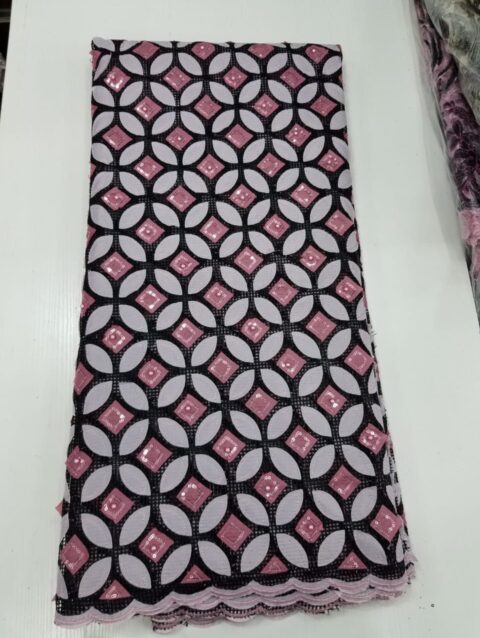

How to Store Lace and Asoebi Fabric So It Lasts for Years
How to Store Lace and Asoebi Fabric So It Lasts for Years
Buying a beautiful piece of lace or asoebi fabric is one thing. Keeping it in good condition until you are ready to wear or sell it is another.
Many people buy asoebi for a wedding, use only part of it for an outfit and then throw the remaining fabric into a wardrobe, drawer or storage box. Months or even years later, they bring it out and discover that the fabric has developed a strange smell, lost some of its colour, become dusty, creased or even damaged.
The good news is that proper fabric storage is not complicated.
Whether you are storing lace for your next occasion, keeping leftover asoebi, or running a fabric business with stock that may sit for months, the way you store your fabric can make a big difference.
Here is how to store lace and asoebi fabric properly for long-term use.
Why Proper Fabric Storage Matters
Fabric is not completely unaffected by its environment.
Humidity, sunlight, dust, insects, heat and poor folding can gradually affect fabric quality.
This is especially important for delicate fabrics such as:
- Lace
- Net lace
- Cord lace
- Beaded lace
- Sequined lace
- Velvet
- Brocade
- Embroidered fabrics
Decorative details such as beads, sequins and embroidery can also require extra care.
Proper storage helps protect the fabric from unnecessary damage while keeping it ready for its next use.
1. Make Sure the Fabric Is Clean Before Storing It
One of the biggest storage mistakes is putting fabric away while it still has dirt, sweat, perfume, food residue or makeup on it.
Even if the fabric looks clean after an event, inspect it before storing it.
Check areas around:
- The neckline
- Sleeves
- Waist area
- Edges
- Areas that touched the floor
- Areas exposed to food or drinks
If the fabric needs cleaning, clean it properly and allow it to dry completely before storage.
Never store damp fabric.
Moisture trapped inside folded fabric can encourage unpleasant smells and mould growth.
2. Make Sure the Fabric Is Completely Dry
This deserves special attention.
Fabric that feels only slightly damp may still contain enough moisture to cause problems when stored for a long period.
Before folding your lace or asoebi:
- Make sure it is completely dry.
- Avoid folding it immediately after washing.
- Allow sufficient air circulation.
- Check thick or layered areas carefully.
For heavily decorated fabrics, be especially careful because beads, sequins and other embellishments can make drying slower.
3. Avoid Direct Sunlight During Long-Term Storage
Sunlight is useful when drying fabric, but prolonged exposure can cause some fabrics and dyes to fade.
If you are storing asoebi for several months, keep it away from strong direct sunlight.
A dark wardrobe, drawer or suitable storage box is generally better than leaving folded fabric beside a window where sunlight hits it every day.
4. Fold Fabric Properly
How you fold your fabric matters.
Avoid folding delicate lace so tightly that the material becomes compressed for long periods.
For fabrics with heavy embroidery, beads or sequins, pay attention to where the decorative areas fold.
If possible, avoid placing heavy objects directly on top of delicate lace.
For very delicate pieces, using acid-free tissue paper between folds can provide an additional layer of protection.
5. Should You Hang or Fold Lace Fabric?
This depends on the fabric.
Lightweight and delicate lace is often easier to store folded, especially if it has beads, sequins or heavy embroidery.
Some sturdy fabrics may be suitable for hanging, but hanging very heavy embellished fabric for a long period can place unnecessary stress on the material.
For long-term storage, carefully folding delicate fabrics is often more practical.
6. Don’t Keep Fabric in a Damp Wardrobe
Your storage environment matters almost as much as the fabric itself.
A wardrobe or storage room that is damp or poorly ventilated can create problems over time.
Avoid storing fabrics:
- Against damp walls
- On a wet floor
- In areas with water leaks
- In poorly ventilated spaces
- Near bathrooms with persistent moisture
If your storage area has a humidity problem, address that issue rather than simply adding more packaging around the fabric.
7. Be Careful With Plastic Bags
Plastic bags can be useful for protecting fabric from dust, but completely trapping fabric in unsuitable plastic for long periods can create problems if moisture becomes trapped inside.
If you are using protective packaging, make sure the fabric is completely dry and the storage method allows appropriate protection from moisture.
For long-term storage, breathable fabric storage bags or suitable acid-free storage materials may be preferable for delicate pieces.
8. Protect Lace From Dust
Dust can settle into the intricate spaces of lace and embroidery.
If you are storing fabric for several months, protect it from unnecessary exposure to dust.
You can use:
- Clean storage boxes
- Fabric storage bags
- Tissue paper
- Covered shelves
- Clean drawers
The storage container itself should also be clean and completely dry.
9. Keep Fabric Away From Strong Perfumes and Chemicals
Don’t store your asoebi next to products that can leak or transfer strong chemicals.
This includes things such as:
- Perfume
- Bleach
- Cleaning products
- Hair chemicals
- Strong air fresheners
- Oils
A leak inside a wardrobe can ruin several pieces of fabric at once.
Keep fabrics in a dedicated and clean storage area whenever possible.
10. Protect Your Fabric From Insects
Insects can damage textiles, particularly when fabrics are stored for long periods.
Inspect your storage area regularly and keep it clean.
Don’t put food, dirty clothes or other materials that may attract insects in the same storage area as your fabrics.
If you notice insect activity, deal with the storage environment rather than spraying strong chemicals directly onto your lace.
11. Give Long-Stored Fabric Some Attention
One mistake people make is storing fabric and completely forgetting about it.
If you have fabrics that will remain unused for months or years, inspect them occasionally.
Look for:
- Dust
- Unusual smells
- Moisture
- Colour changes
- Insect damage
- Creasing
- Damaged embellishments
Early detection gives you a better chance of addressing a problem before it becomes serious.
12. Store Beaded and Sequined Lace With Extra Care
Beaded and sequined lace requires special attention because the decorations can catch on other fabrics.
When storing these fabrics:
- Avoid rough storage surfaces.
- Don’t place them directly against fabrics with loose threads.
- Avoid excessive pressure on the embellishments.
- Fold carefully around heavily decorated areas.
- Consider using tissue paper between folds.
If the fabric has loose beads or sequins, repair them before long-term storage where possible.
13. Don’t Store Fabric Under Heavy Items
You may be tempted to stack everything together to save space.
However, putting heavy clothes, boxes or other objects on top of delicate lace for a long period can flatten embellishments and create permanent-looking creases.
Keep heavier materials underneath and delicate embellished fabrics where they will not be crushed.
14. Keep Your Fabrics Organised
If you have several pieces of asoebi, organisation can make a huge difference.
Instead of throwing everything into one large box, organise fabrics according to:
- Fabric type
- Colour
- Occasion
- Purchase date
- Intended customer
- Season
- Quantity
For a fabric business, you can also label each piece with its product code, colour and quantity.
This makes it easier to locate stock without constantly unfolding and handling every fabric.
How Fabric Businesses Should Store Their Stock
If you sell fabrics, proper storage is even more important.
Unsold stock may remain in your shop or warehouse for weeks or months.
Keep your inventory:
- Off the floor
- Away from leaking roofs or pipes
- Away from direct sunlight
- Clean and dust-free
- Properly organised
- Protected from insects
- Properly ventilated
Regular stock checks are also important.
Don’t wait until a customer wants to buy a particular fabric before discovering that it has been damaged during storage.
How Long Can You Store Lace Fabric?
There is no single expiration date for lace fabric.
A properly stored fabric can remain usable for many years, depending on its fibre composition, construction, dyes, embellishments and storage conditions.
However, storing fabric for a long time does not mean you should ignore it.
The better the storage conditions, the better your chances of preserving its appearance and condition.
Common Fabric Storage Mistakes to Avoid
Here are some mistakes worth avoiding:
Storing damp fabric: This can lead to unpleasant smells and mould.
Leaving fabric in direct sunlight: Prolonged exposure can contribute to fading.
Using dirty storage containers: Dust and dirt can transfer to the fabric.
Overpacking: Excessive pressure can damage delicate embellishments.
Ignoring insects: Small problems can become bigger problems when fabric is left untouched.
Keeping fabric near chemicals: Spills and fumes can damage materials.
Never checking stored fabric: Problems are easier to solve when discovered early.
Final Thoughts
Your asoebi does not have to be used immediately after you buy it.
With proper storage, you can keep lace, brocade, net lace, sequined fabrics and other materials in good condition until you are ready to sew or use them.
The basics are simple: keep the fabric clean, completely dry, away from excessive sunlight and moisture, protected from dust and insects, and stored without unnecessary pressure or damage.
And if you run a fabric business, good storage is not just about keeping your shop tidy. It is part of protecting your inventory and the money you have invested in your stock.
A beautiful fabric deserves to still look beautiful when you finally decide to use it.


