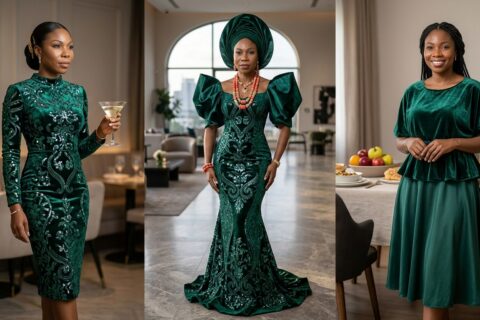
Is Iro and Buba Making a Comeback? Modern Styles to Know
Is Iro and Bùbá Making a Comeback? How Young Women Are Making It Fashionable Again
Traditional fashion never truly goes out of style. Sometimes, it simply waits for a new generation to discover it again. One outfit that continues to attract attention in Nigerian fashion is the iro and bùbá — a timeless Yoruba ensemble that is finding fresh expression through modern designs, beautiful fabrics and contemporary styling.
Once strongly associated with older women and formal traditional occasions, iro and bùbá is being reimagined in ways that appeal to different age groups. From weddings and owambes to cultural celebrations and special family events, the outfit offers a beautiful balance of elegance, identity and sophistication.
But is iro and bùbá really making a comeback, or has it always been in fashion?
Let’s explore how this traditional outfit is evolving and why it deserves a place in today’s wardrobe.
What Is Iro and Bùbá?
Iro and bùbá is a traditional Yoruba women’s outfit consisting primarily of a wrapper, known as the iro, and a blouse, known as the bùbá. The ensemble is often complemented by a head tie called gele, although the accessories and styling can vary.
Traditionally, iro and bùbá has been worn for weddings, naming ceremonies, festivals, religious celebrations and other important occasions. Its appeal lies in its graceful silhouette and the opportunity it offers to showcase beautiful textiles, intricate designs and skilled tailoring.
More than just clothing, it is part of Yoruba cultural expression. The way it is styled can communicate elegance, celebration and a strong connection to heritage.
Why Is Iro and Bùbá Getting Attention Again?
1. Young Women Are Embracing Traditional Fashion
Modern fashion lovers are increasingly finding ways to incorporate traditional clothing into their personal style. Rather than viewing traditional outfits as something reserved for older generations, many younger women are exploring how to wear them with confidence.
Iro and bùbá offers a distinctive alternative to dresses, jumpsuits and other contemporary occasion wear. It can look regal without feeling outdated, especially when the fabric, blouse design and accessories are chosen thoughtfully.
For women attending weddings, owambes and cultural events, it is also an opportunity to stand out while celebrating Nigerian heritage.
2. Modern Tailoring Is Giving It a Fresh Look
One reason iro and bùbá remains relevant is its versatility. Designers and tailors can experiment with the blouse neckline, sleeves, embroidery, peplum details and overall fit while retaining the outfit’s traditional foundation.
Some women prefer a classic, flowing silhouette, while others choose more structured blouses, dramatic sleeves or carefully placed embellishments.
The wrapper can also be styled in different ways to create a look that feels traditional yet personal.
The result is an outfit that can appeal to someone who loves classic Yoruba fashion as well as someone who prefers a more contemporary aesthetic.
3. Asoebi Fashion Is Creating More Opportunities
Nigerian weddings and owambe celebrations provide plenty of opportunities to wear traditional outfits. While coordinated lace, matching fabrics and elaborate dresses remain popular choices, iro and bùbá offers another elegant option for women who want something distinctive.
For asoebi groups, the same fabric can be tailored into different blouse designs and wrapper styles, allowing each woman to express her personality while maintaining a coordinated appearance.
This makes iro and bùbá particularly appealing for mothers of the celebrants, family members, guests and anyone who wants a graceful traditional look.
4. Heritage Is Becoming Part of Personal Style
Fashion is not only about following trends. It is also about identity, culture and the stories people choose to express through their clothing.
For some women, wearing iro and bùbá is a way to honour their roots. For others, it is an opportunity to explore a traditional silhouette they may not have worn before.
The outfit can feel especially meaningful during cultural festivals, family celebrations and occasions where traditional attire is encouraged.
Its continued relevance shows that heritage and modern style do not have to compete with each other.
The Best Fabrics for Modern Iro and Bùbá Styles
The fabric you choose can determine the overall appearance of your iro and bùbá. Some materials create a soft, flowing look, while others provide structure and a more dramatic finish.
Here are some options to consider.
Lace: For an Elegant Occasion Look
Lace is a popular choice for weddings, owambes and other special occasions. Depending on the design and weight, it can create a delicate, sophisticated or richly embellished appearance.
A lace bùbá with a complementary wrapper can look beautiful with carefully selected jewellery and a well-styled gele. For a more balanced finish, consider how heavily embellished the fabric is before choosing additional details.
Aso-Oke: For a Regal Traditional Appearance
Aso-oke is a wonderful option for women who want to celebrate Yoruba heritage through their clothing. Its distinctive woven texture makes it especially suitable for cultural celebrations and occasions that call for a traditional statement.
It can be styled into iro and bùbá or incorporated into selected details, depending on the design and the wearer’s preference.
Damask and Brocade: For Structure and Sophistication
Damask and brocade can work beautifully for iro and bùbá styles that require a more structured appearance. Their woven patterns and visual texture can give an outfit depth without relying entirely on embroidery or embellishment.
However, the result depends on the particular fabric. Consider its weight, drape and suitability for the blouse design before making a choice.
Adire: For a Distinctive Cultural Look
For women who appreciate textile heritage and distinctive patterns, adire can offer an interesting alternative. Its patterns can give iro and bùbá a relaxed, artistic or culturally expressive feel, depending on the fabric and styling.
It is a good option for anyone who wants a traditional outfit that feels individual rather than overly formal.
A helpful tip: Before buying fabric, discuss your preferred design with your tailor. A material that looks beautiful on display may behave differently when cut into a fitted blouse or wrapped around the body.
How to Style Iro and Bùbá for a Modern Look
You do not have to abandon the traditional silhouette to make the outfit feel current. A few thoughtful choices can make a difference.
Choose a blouse design that suits your personality. You might prefer classic sleeves, a contemporary neckline or a more dramatic sleeve detail. The best choice is one that complements both your fabric and your comfort.
Pay attention to the wrapper. The way the iro is tied affects the overall silhouette. Ask your tailor or stylist to help you achieve a neat finish that works with your chosen fabric.
Style your gele intentionally. A gele can complete the outfit beautifully, but the size, shape and colour should work with the fabric and the occasion. If your outfit is already elaborate, a more balanced head-tie style may be preferable.
Keep your accessories coordinated. Jewellery, shoes and bags should complement the outfit rather than compete with it. You do not need every accessory to make a bold statement.
Prioritise a good fit. Beautiful fabric alone cannot guarantee a polished appearance. Proper measurements, neat finishing and a blouse designed for your body shape all contribute to the final result.
Is Iro and Bùbá Suitable for Younger Women?
Absolutely. There is no age restriction on wearing traditional fashion.
Younger women can explore iro and bùbá through contemporary tailoring, interesting colour combinations, lighter or more structured fabrics and accessories that reflect their personal taste.
The key is to choose a design that feels authentic to you. You can embrace the traditional silhouette without styling yourself exactly like your mother or grandmother.
In fact, one of the most exciting aspects of fashion is seeing how different generations interpret the same cultural outfit in their own ways.
Common Mistakes to Avoid When Choosing Iro and Bùbá
If you want your outfit to look polished, pay attention to these details:
- Choosing fabric without considering the design: Some fabrics are better suited to flowing styles, while others work well for structured blouses.
- Ignoring comfort: Consider the weather, the length of the event and how easily you will move and sit in the outfit.
- Overcomplicating the styling: Too many competing details can distract from the beauty of the fabric.
- Leaving fitting until the last minute: Allow enough time for measurements, sewing and alterations, especially before a wedding or major celebration.
- Ignoring finishing: Neat seams, a well-tied wrapper and a properly styled gele can make a significant difference.
So, Is Iro and Bùbá Really Making a Comeback?
Iro and bùbá may not be a trend that disappeared completely, but the renewed interest in traditional Nigerian fashion gives it fresh opportunities to shine. Its appeal lies in its ability to adapt without losing its cultural significance.
With modern tailoring, beautiful fabrics and thoughtful styling, the outfit can suit women across generations and different kinds of celebrations.
Whether you prefer the richness of lace, the heritage of aso-oke, the texture of damask or the distinctive patterns of adire, there are many ways to create an iro and bùbá look that feels both traditional and personal.
At the end of the day, fashion is not always about wearing something new. Sometimes, it is about rediscovering something beautiful and finding a new way to make it your own.
Looking for fabric for your next traditional outfit or asoebi celebration? Explore the fabric selection at Subtle Fabrics and choose a material that complements your preferred style. The right fabric is a great starting point for creating an outfit you will be proud to wear.
Subtle Fabrics — Style Beyond Fabrics.