

The Rise of Old Money Fashion at Nigerian Events
The Rise of Old Money Fashion at Nigerian Events
There was a time when dressing for a Nigerian event meant one thing: go big or go home.
Think heavily embellished outfits, dramatic sleeves, sparkling stones, statement gele, layers of accessories and fabrics designed to make an entrance before you even reach your seat.
But something is changing.
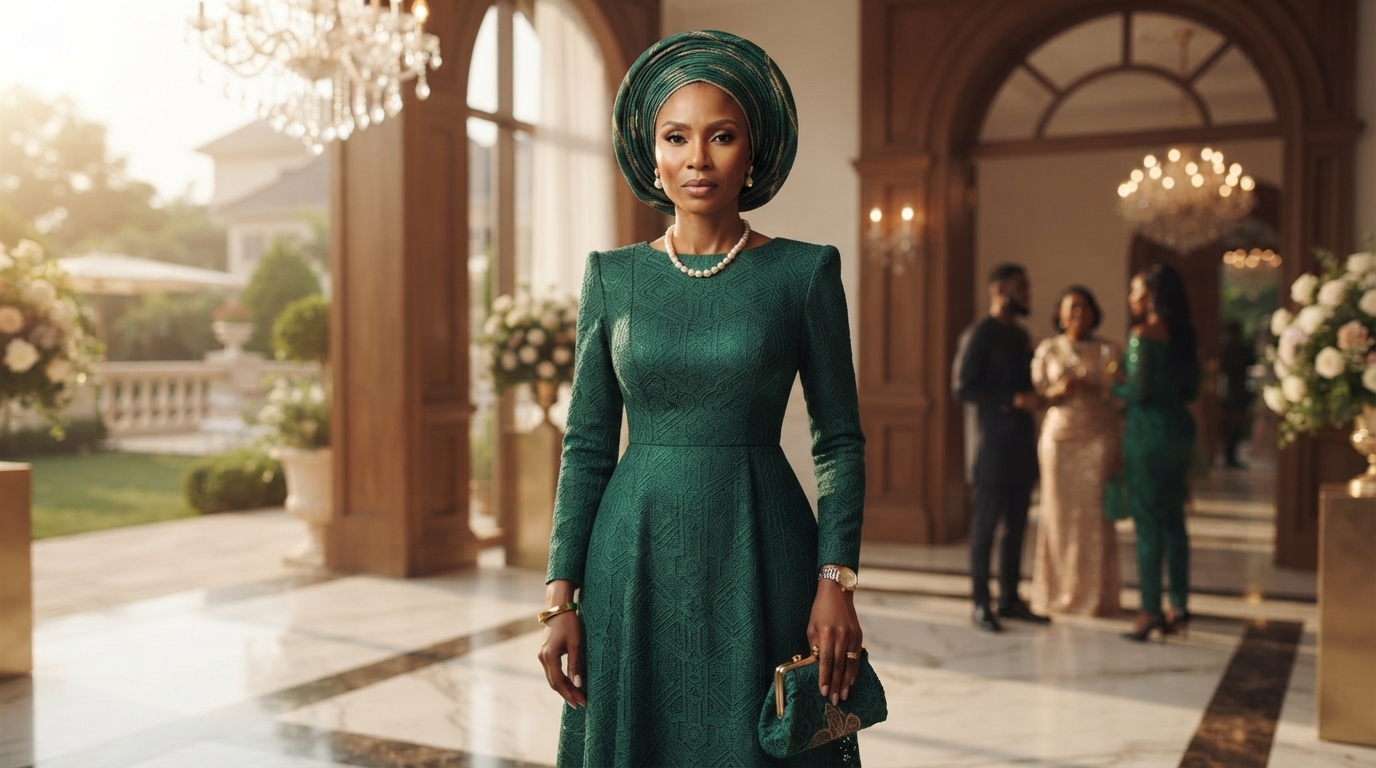
A different kind of elegance is becoming increasingly noticeable at Nigerian weddings, birthday celebrations, dinners and other high-profile events. Instead of competing to see who can wear the most embellishments, more people are embracing quiet, polished and sophisticated fashion.
Enter the old money aesthetic.
What Exactly Is Old Money Fashion?
Old money fashion is less about showing how much an outfit costs and more about how refined it looks.
The aesthetic typically focuses on:
- Clean and elegant silhouettes
- Well-fitted clothing
- Quality-looking fabrics
- Neutral and muted colours
- Minimal but intentional accessories
- Classic designs rather than heavily trend-driven pieces
- Simple details that create a polished finish
It is essentially the idea of looking expensive without looking like you are trying too hard.
And that idea is finding its way into Nigerian event fashion.
Why Is Old Money Fashion Becoming Popular in Nigeria?
Social media has played a major role.
Platforms like Instagram, TikTok and Pinterest have exposed Nigerian fashion lovers to different interpretations of luxury dressing from around the world. The result is a growing interest in outfits that look sophisticated, effortless and timeless.
There is also a shift in how people think about fashion.
Instead of asking, “How much is on this outfit?”, the question is increasingly becoming:
“Does this outfit look good?”
A beautifully cut gown in a sophisticated fabric can sometimes make a stronger impression than an outfit covered from top to bottom in embellishments.
Old Money Doesn’t Mean Boring
This is where the trend gets interesting.
Minimal does not mean plain.
A simple-looking outfit can still have personality through its:
- Fabric texture
- Cut and tailoring
- Draping
- Neckline
- Sleeves
- Colour combination
- Subtle embellishments
- Accessories
For Nigerian events, this balance is especially important because people still want their outfits to feel special.
The difference is that the drama may come from the construction of the outfit rather than excessive decoration.
Fabrics Matter More Than You Think
One of the easiest ways to achieve a sophisticated look is through the fabric itself.
Fabrics with beautiful texture, structure, sheen or movement can elevate a simple design without requiring excessive embellishment.
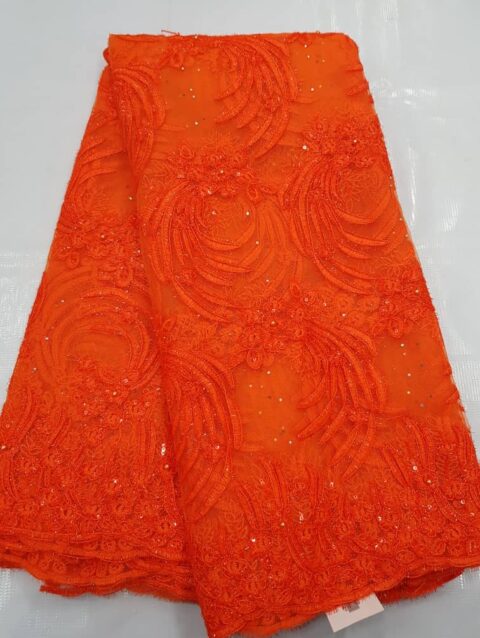
This is why materials such as lace, brocade, velvet and other premium-looking fabrics can work beautifully with the old money aesthetic.
The key is choosing a fabric that complements the design rather than allowing the fabric and embellishments to compete for attention.
For example, a beautifully textured fabric paired with a clean silhouette can create a striking outfit without needing hundreds of stones.
Colour Is Another Secret
Old money fashion tends to favour colours that feel timeless.
Think:
- Cream
- Ivory
- Champagne
- Chocolate brown
- Navy
- Black
- Burgundy
- Deep green
- Soft beige
- Dusty or muted tones
But Nigerian fashion doesn’t have to abandon colour to embrace the trend.
Rich jewel tones can still create an elegant look when the colour is paired with a sophisticated silhouette and restrained styling.
The goal isn’t necessarily to wear less colour.
It is to make the entire outfit feel intentional.
Can You Wear Asoebi and Still Achieve the Old Money Look?
Absolutely.
In fact, this is where the trend becomes particularly interesting for Nigerian fashion.
Asoebi doesn’t have to mean excessive embellishment.
You can take the same coordinated fabric and have different people create completely different looks from it.
One person might choose a structured gown with minimal accessories.
Another might opt for a classic skirt and blouse.
Someone else might choose a flowing silhouette with a simple gele.
The fabric creates the connection, while the styling allows each person to express their personality.
That is one of the strengths of modern asoebi fashion.
The New Meaning of “Luxury”
Perhaps the biggest change is how luxury itself is being interpreted.
Luxury used to be strongly associated with more—more stones, more layers, more embellishments and more dramatic details.
Today, luxury can also mean:
better fabric, better tailoring, better finishing and better styling.
Sometimes, the most memorable person at an event isn’t the one wearing the loudest outfit.
It is the person whose outfit simply looks right.
The fit is right.
The colour is right.
The fabric works.
The accessories complement the outfit.
Nothing feels accidental.
That is the beauty of understated fashion.
Is Old Money Fashion Just Another Trend?
Probably—but that doesn’t mean it has no staying power.
Fashion constantly moves between extremes. After periods of heavily decorated and highly dramatic fashion, people naturally begin looking for simplicity again.
What makes the old money aesthetic interesting is that many of its principles are timeless: good fit, quality materials, classic colours and thoughtful styling.
Those ideas are unlikely to disappear even when the name of the trend does.
So whether you call it old money, quiet luxury, classic elegance or simply good dressing, the message is similar:
You don’t always need to do the most to look your best.
And perhaps that is exactly why this aesthetic is finding a place in Nigerian event fashion.


