


The Rise of the Instagrammable Outfit | Subtle Fabrics
The Rise of the “Instagrammable” Outfit: When Fashion Became Content
There was a time when choosing an outfit was mostly about looking good in person.
Today, that is no longer enough.
An outfit can be beautiful, well-tailored and perfectly suited to an occasion, but many people also want to know one more thing: “How will this look in pictures?”
Welcome to the era of the Instagrammable outfit.
Social media has fundamentally changed the way people discover fashion, choose clothes and even define what looks fashionable. Instagram, TikTok, Pinterest and other visual platforms have turned clothing into more than something we wear. Fashion has become something we photograph, record, share and remember online.
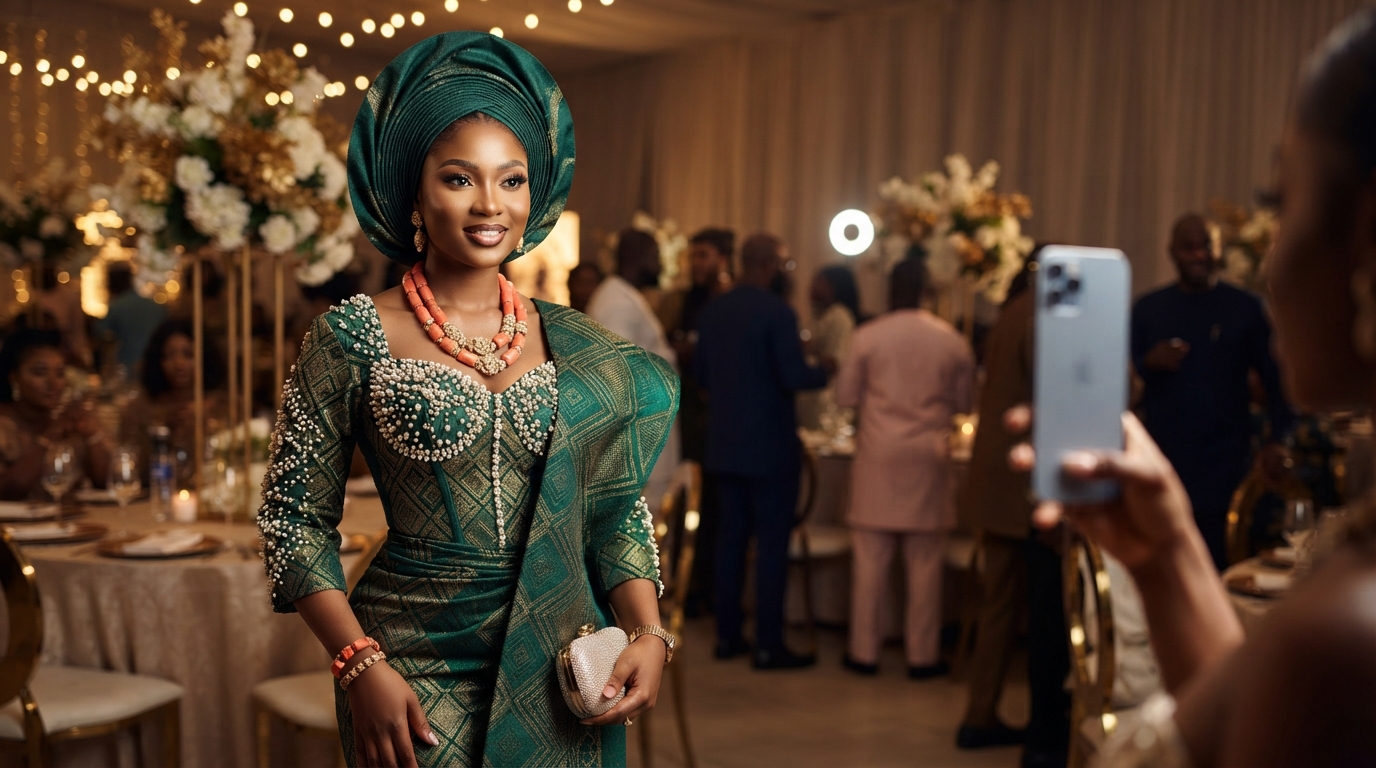
For Nigerians, particularly those who attend weddings, birthdays, owambes, naming ceremonies and other major celebrations, this transformation is especially noticeable. An outfit is no longer simply for the event. It may also be for the pictures, videos, Instagram Stories, TikTok content and countless photos that will remain online long after the event is over.
But how did fashion become content?
What Is an “Instagrammable” Outfit?
An Instagrammable outfit is clothing that is visually striking enough to attract attention when photographed or recorded.
It does not necessarily have to be expensive.
It could be a simple outfit with an unusual silhouette, a beautiful colour combination, dramatic sleeves, interesting detailing or an eye-catching fabric.
The important thing is that the outfit translates well visually.
This distinction matters because something that looks impressive in person may not always have the same effect in a photograph.
Lighting, camera quality, background, colour, texture and styling can all influence how clothing appears on screen.
As social media became increasingly visual, these factors began influencing fashion choices.
How Social Media Changed Fashion
Before social media became part of everyday life, fashion trends were largely influenced by designers, magazines, television, celebrities and fashion shows.
Today, the process is much faster.
A particular outfit can appear on someone’s TikTok or Instagram account in the morning and become an inspiration for thousands of people by evening.
People no longer have to wait for a fashion magazine to tell them what is trending.
They can see what people are wearing in Lagos, London, Accra, New York or Johannesburg almost instantly.
This has created a fashion environment where consumers are also trend creators.
Someone attending a wedding can post their outfit, receive thousands of views and inspire other people to recreate elements of the look.
Fashion is therefore no longer moving only from designers to consumers.
It is moving in multiple directions at the same time.
Nigerian Events Have Become Fashion Content Opportunities
Few things demonstrate this change better than Nigerian social events.
A Nigerian wedding, for example, can involve several different fashion moments.
There may be the bride’s outfit, the groom’s outfit, the bridesmaids, the aso ebi, gele styles, jewellery, shoes, handbags and the outfits worn by guests.
And increasingly, people are documenting all of it.
The event may have professional photographers, content creators, guests taking videos with their phones and people creating TikTok or Instagram content throughout the day.
This has created a new expectation around occasion dressing.
People are not only asking:
“Will I look good at this event?”
They are also asking:
“Will I look good in pictures?”
That small difference has a surprisingly large effect on fashion choices.
Why People Choose Certain Clothes for the Camera
Certain fashion details naturally attract attention in photographs.
Bright or unusual colours can stand out.
Intricate embellishments can create visual interest.
Textures can become more noticeable in close-up photographs.
Dramatic sleeves, structured silhouettes and statement accessories can give an outfit a stronger shape on camera.
This is one reason why fabrics with distinctive textures, embroidery, sequins, beads or other embellishments can become particularly appealing for occasion wear.
The camera captures details differently from the human eye.
A person standing across the room may see a beautiful fabric.
A close-up photograph may reveal its texture, shine, embroidery or intricate detailing much more clearly.
The Camera Has Changed What “Good Fashion” Means
Fashion has always been about appearance, but social media has introduced another layer: photographic appeal.
An outfit now has to work in several environments.
It needs to look good:
- In person
- Under event lighting
- In photographs
- In videos
- On a phone screen
- On social media feeds
This explains why some fashion choices that might have seemed unnecessary in the past have become increasingly popular.
People want movement.
They want texture.
They want colours that photograph beautifully.
They want details that become visible when a camera gets close.
Fashion is increasingly being designed and styled with visual documentation in mind.
The Rise of the Content Creator Has Changed Event Dressing
Another major development is the rise of the fashion and event content creator.
At Nigerian events today, it is common to see people creating short videos throughout the celebration.
Instead of waiting for official photographs, guests can have professionally edited clips of themselves almost immediately.
This has changed the relationship between fashion and time.
An outfit may be worn at an event in the afternoon and appear on social media before the person has even returned home.
That creates another incentive to make an impression.
The outfit is no longer simply part of the event experience.
It becomes part of the digital record of the event.
Instagrammable Does Not Always Mean Extravagant
One misconception about Instagrammable fashion is that an outfit has to be dramatic or expensive.
It doesn’t.
Sometimes the most memorable looks are relatively simple.
A well-fitted outfit in an unusual colour can photograph beautifully.
A simple silhouette combined with the right accessories can create a strong look.
A beautifully textured fabric can provide enough visual interest without excessive embellishment.
This is an important reminder that price and visual impact are not the same thing.
What makes an outfit memorable is often how its different elements work together.
Why Colour Matters So Much on Social Media
Colour plays a huge role in visual content.
Some colours immediately stand out when scrolling through a crowded social media feed.
Others create a softer, more sophisticated appearance.
This is why colour selection has become an increasingly important part of fashion styling.
People may consider how a colour complements their skin tone, but they may also consider how it interacts with their event’s lighting, photography and surroundings.
For example, an outfit that looks beautiful under natural daylight may appear completely different under artificial event lighting.
The same fabric can therefore produce very different results depending on where and how it is photographed.
Fabric Has Become Part of the Visual Story
When fashion becomes content, fabric becomes more than the material used to construct an outfit.
It becomes part of the visual story.
Texture can communicate luxury.
Shine can create drama.
Embroidery can add detail.
A flowing material can create movement in videos.
A structured fabric can help maintain a dramatic silhouette.
This is particularly relevant to occasion fashion, where people often want their clothing to make an impression both physically and digitally.
The right fabric can therefore influence not only how an outfit feels but also how it photographs and moves on camera.
Social Media Is Also Changing How People Shop
The journey from seeing an outfit to buying something similar has become incredibly short.
Someone can see a look on Instagram, save it, send it to a tailor, search for a similar fabric and place an order—all within the same day.
Pinterest and Instagram have become sources of fashion inspiration.
TikTok has accelerated the process even further by allowing trends to spread rapidly through short-form videos.
For fashion retailers, this means customers are often arriving with screenshots, saved posts and reference images.
They may already know the colour they want.
They may have a particular style in mind.
They may even have seen the exact type of fabric used in a video.
The retailer’s role increasingly involves helping the customer turn that online inspiration into something that works in real life.
The Pressure to Always Look Good
There is also a less glamorous side to the rise of Instagrammable fashion.
Social media can create pressure.
When people constantly see beautifully dressed individuals online, it can feel as though everyone is expected to look perfect all the time.
For major events, this pressure can become even stronger.
Nobody wants to feel like the person who is underdressed when everyone else looks spectacular in the pictures.
This can encourage people to spend more money on clothing, accessories, makeup, hair and other aspects of their appearance.
The desire to create beautiful memories is perfectly understandable, but it is worth remembering that social media often shows the best few seconds of someone’s life—not the entire reality behind them.
Has Fashion Become Too Focused on Being Seen?
This is where the conversation becomes interesting.
Fashion has always involved self-expression.
People dress to feel confident, attractive, comfortable, professional or culturally connected.
But social media has added another motivation:
visibility.
An outfit can now be chosen partly because it will attract attention online.
That is not necessarily a bad thing.
Fashion has always been a form of communication.
Social media has simply created another audience.
The difference is that the audience is now potentially much larger.
What This Means for Fashion Brands
For fashion businesses, the rise of the Instagrammable outfit presents both an opportunity and a challenge.
Products need to look good not only in physical stores but also in digital spaces.
This makes high-quality product photography increasingly important.
A fabric photograph needs to communicate colour, texture, pattern and quality as accurately as possible.
Videos can demonstrate movement and shine.
Social media content can show how products look when transformed into finished outfits.
Brands can also use customer-generated content to demonstrate how their products appear outside a studio environment.
In other words, fashion retail is becoming increasingly visual from beginning to end.
The Future of the Instagrammable Outfit
The relationship between fashion and social media is unlikely to disappear.
If anything, it will become stronger.
As cameras improve, short-form video continues to dominate social platforms and technologies such as artificial intelligence and virtual try-ons develop, the digital presentation of fashion will become increasingly important.
But there is one thing that should remain at the centre of fashion:
how the person wearing it feels.
An outfit should not exist solely for a photograph.
The best fashion choices are those that work both on screen and in real life.
They make the wearer feel confident when they walk into a room, comfortable enough to enjoy the occasion and happy when they eventually look back at the photographs.
Fashion Is Now Something We Wear—and Something We Share
The Instagrammable outfit is ultimately a reflection of how much our lives have changed.
We no longer simply attend events.
We document them.
We no longer simply buy clothes.
We save inspiration, compare styles, create mood boards and share our purchases.
And we no longer simply dress for the people physically present at an occasion.
Sometimes, we are also dressing for the camera.
Social media has transformed fashion into a combination of personal expression, visual storytelling and digital content.
But perhaps the most important lesson is simple:
The best outfit is not necessarily the one that gets the most likes. It is the one that makes you feel like yourself—and still looks beautiful when the camera comes out.
Frequently Asked Questions
What is an Instagrammable outfit?
An Instagrammable outfit is an outfit that has strong visual appeal when photographed or recorded. It may feature distinctive colours, textures, silhouettes, patterns, embellishments or styling details.
How has social media changed fashion?
Social media has made fashion trends spread much faster. Platforms such as Instagram, TikTok and Pinterest allow people to discover, recreate and share fashion trends almost instantly.
Why is fabric important for an Instagrammable outfit?
Fabric contributes to an outfit’s colour, texture, shine, movement and overall appearance. These characteristics can strongly influence how the finished outfit appears in photographs and videos.
Do Instagrammable outfits have to be expensive?
No. An outfit does not have to be expensive to photograph beautifully. Good fit, thoughtful styling, colour coordination and interesting details can create a strong visual impact at different price points.
Why do people consider photographs when choosing event outfits?
Because photographs and videos have become a major part of modern social events. People often want an outfit that looks good both in person and when captured for social media.
Is social media responsible for fashion trends?
Social media is now one of the major forces influencing fashion trends. Users, influencers, celebrities, designers and brands can all contribute to trends that spread rapidly online.
Final Thoughts
Fashion has always been about being seen, but social media has changed how, where and by whom we are seen.
The rise of the Instagrammable outfit shows just how closely fashion and digital culture have become connected.
Today, the perfect outfit may need to survive more than one runway: the event venue, the camera lens, the smartphone screen and the social media feed.
And perhaps that is where modern fashion is heading—not away from personal style, but towards a world where what we wear and the stories we tell with it are becoming increasingly connected.


