


What Is Fabric Drape? How to Choose Fabric That Falls Beautifully
What Is Fabric Drape? How to Choose Fabric That Falls Beautifully
Have you ever seen two fabrics that look equally beautiful on the shop shelf, only to discover that one flows effortlessly when sewn while the other holds its shape?
The difference may be their fabric drape.
When choosing fabric for a gown, skirt, blouse, agbada or other traditional outfit, colour and pattern are important. However, how the fabric hangs and moves can make just as much difference to the final result.
A fabric may have an attractive design but still be unsuitable for the silhouette you want. Understanding drape can help you choose materials that work with your preferred style rather than against it.
What Is Fabric Drape?
Fabric drape describes how a material hangs, folds and falls under its own weight.
A fabric with fluid drape tends to fall into soft, flowing folds. A fabric with more structure may stand away from the body, hold defined shapes or create fuller silhouettes.
Drape is influenced by several factors, including fibre composition, yarn construction, weave, thickness, weight and finishing.
It is important to understand that drape and thickness are not the same thing. A lightweight fabric can still feel crisp, while a heavier fabric can sometimes fall in smooth, elegant folds.
The Two Broad Types of Fabric Drape
1. Soft or Fluid Drape
Fabrics with soft drape tend to fall naturally and create flowing folds. They may move easily with the body and produce a relaxed silhouette.
This type of drape can be useful for:
- Flowing gowns and dresses.
- Loose-fitting blouses.
- Wide-leg trousers.
- Soft skirts.
- Outfits designed with movement and fluidity.
However, a soft drape is not automatically better. If your design requires a firm, sculpted shape, a very fluid fabric may not provide the support you need.
2. Structured or Firm Drape
Fabrics with a firmer handle tend to hold their shape more readily. Depending on the material, they may create defined folds, fuller sleeves or more pronounced silhouettes.
This can be useful for:
- Structured gowns.
- Dramatic sleeves.
- Full skirts.
- Some agbada and traditional outfit designs.
- Garments that require a more defined shape.
A structured fabric can be beautiful for a design that needs body, but it may not be ideal for a style that depends on soft movement.
Some fabrics fall between these two categories, combining a degree of structure with flexibility.
Why Fabric Drape Matters When Choosing Asoebi
Imagine choosing an embroidered lace for a wedding outfit. The colour is perfect, the pattern is beautiful and the price fits your budget.
But when your tailor begins working with it, the fabric does not fall the way you expected.
This can happen when the material’s drape does not suit the design.
For example, a gown designed to flow gently around the body may need a fabric that moves easily. A structured outfit with dramatic sleeves may need material that can support its shape.
For asoebi groups, it is particularly helpful to consider the intended design before everyone purchases the same fabric. One material may work well for several styles, while another may be more suitable for a narrower range of designs.
How Different Fabrics Can Behave
The name of a fabric does not guarantee a particular drape. Different versions of the same fabric category can behave differently.
Lace
Lace varies widely in weight, openness, embroidery and embellishment.
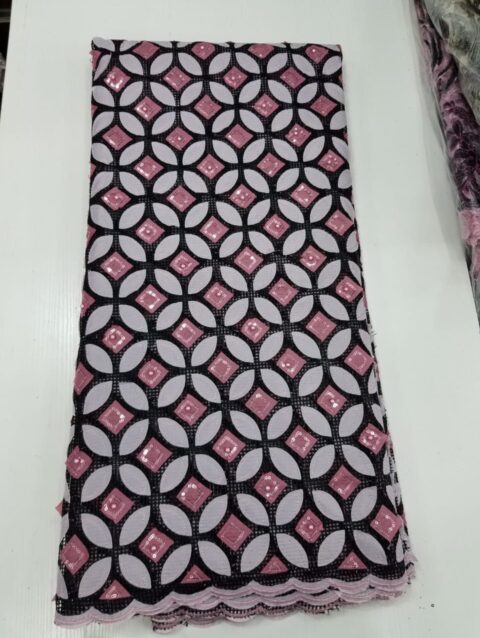
A delicate lace may fall differently from a heavily embroidered cord lace or a beaded lace. The backing, embroidery and decorative details can influence how the material behaves.
If you are planning a fitted gown, flowing sleeves or a structured bodice, show your tailor the actual lace before purchasing.
Brocade
Some brocades have a firmer body and are well suited to designs that benefit from structure. Others are more flexible.
Examine the specific fabric rather than assuming every brocade will create the same silhouette.
Jacquard
Jacquard describes a weaving technique rather than one fixed fabric type. Jacquard fabrics can therefore range from soft and flexible to firm and structured.
Check the material’s actual drape, especially if the outfit has pleats, gathers or a flowing skirt.
Damask
Damask fabrics also vary in composition, weight and finish. Some have a more structured feel, while others are more flexible.
Consider both the decorative pattern and the way the fabric falls when deciding whether it suits your outfit.
How to Test Fabric Drape Before Buying
You do not need specialised equipment to make a basic assessment. If you are shopping in person, try these simple checks.
1. Lift a section of the fabric. Hold it loosely and observe how it falls. Does it form soft folds, or does it maintain a more defined shape?
2. Let it hang over your hand. Notice whether the material flows down naturally or sticks out in a firm shape.
3. Move it gently. A small movement can reveal whether the fabric flows freely or feels relatively stiff.
4. Consider the embellishment. Beads, sequins, embroidery and other decorative details may change how the material hangs.
5. Ask your tailor. If you have a specific outfit design, ask whether the fabric’s structure and drape are suitable for it.
These checks are useful guides, but the finished result also depends on the cut, lining, construction and tailoring.
Does Heavier Fabric Always Have Less Drape?
No. Weight alone does not determine how a fabric falls.
A heavier material may have a smooth, fluid drape, while a lightweight material may feel crisp and hold its shape.
Similarly, two fabrics with similar thickness can behave differently because of their fibres, weave, finishing and construction.
Instead of judging fabric by weight alone, look at how it hangs and whether its behaviour suits your intended design.
How to Choose the Right Drape for Your Outfit
Before purchasing fabric, think about the finished garment.
Ask yourself:
- Do I want the outfit to flow or hold a defined shape?
- Will the design have gathers, pleats, dramatic sleeves or a fitted bodice?
- Does the fabric need to support embroidery, beads or other embellishments?
- Will the material work comfortably for the occasion?
- Has my tailor confirmed that it is suitable for the design?
If you are shopping online, request a short video showing the fabric being lifted or moved. A close-up photograph is useful for examining patterns, but a video can provide a better impression of how the material behaves.
Frequently Asked Questions
What does fabric drape mean?
Fabric drape describes how a material hangs, falls and forms folds under its own weight.
Which fabric has the best drape for gowns?
There is no single best option. The right fabric depends on whether the gown needs soft movement, a structured silhouette or a combination of both.
Can stiff fabric be used for a flowing dress?
It may be possible, depending on the design, but a very stiff material may not produce the soft movement expected from a flowing dress. Ask your tailor before buying.
Is fabric drape the same as fabric weight?
No. Weight describes how heavy a material is, while drape describes how it hangs and moves. The two can influence each other, but they are not interchangeable.
Final Thoughts
The way fabric falls can change the entire appearance of an outfit.
Before choosing a material, look beyond colour and pattern. Consider whether it flows softly, holds its shape or offers a balance of both.
At Subtle Fabrics, we believe the right fabric should suit not only your taste but also the outfit you have in mind. Explore our fabric collections at Subtle Fabrics and choose with your design, comfort and desired finish in mind.


