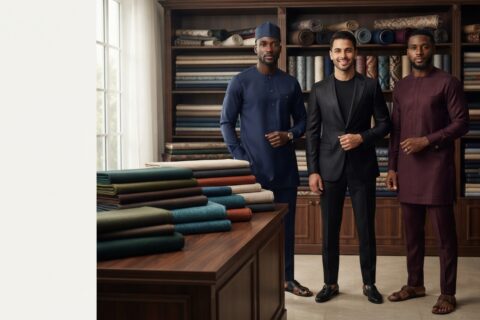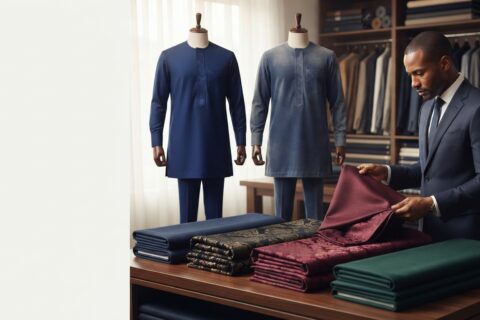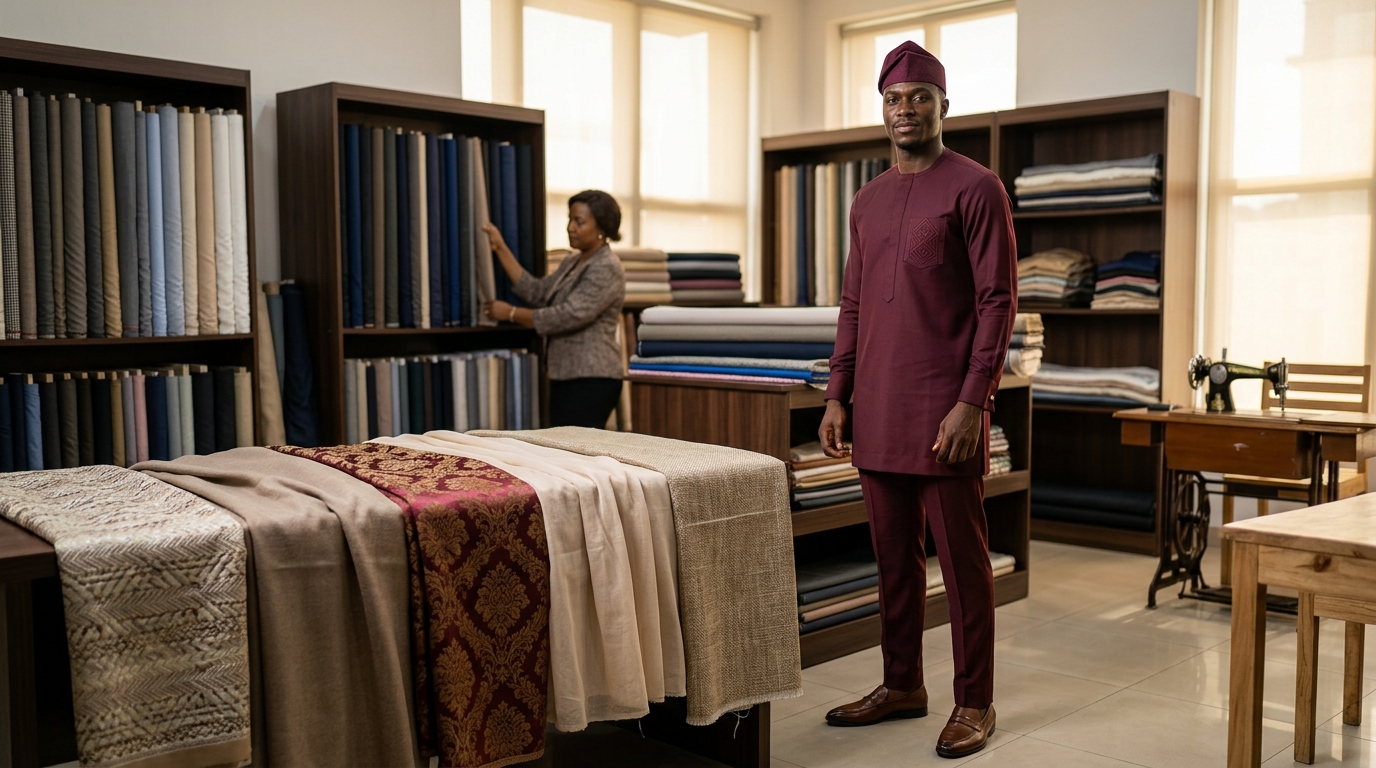
Men’s Fabric Names in Nigeria: Atiku, Cashmere & Senator Material Explained
Why Men’s Fabrics Have Different Names in Nigeria: Atiku, Cashmere, Senator Material & More Explained
If you have ever gone shopping for men’s fabric in Nigeria, you may have experienced this:
You ask for Atiku.
Someone shows you Senator material.
Another seller recommends Cashmere.
Then you see Swiss cotton, Voile Atiku, Jonkoso or another name you have never heard before.
Suddenly, buying fabric becomes more confusing than choosing the style itself.
So, are these actually different fabrics?
Why do Nigerian sellers use so many names?
And when someone asks for “Senator material,” what exactly are they supposed to receive?
The answer is that Nigerian men’s fabric terminology is a mixture of fabric names, market names, style names, trade descriptions and popular usage. Online Nigerian marketplaces currently list products using terms such as Cashmere Senator Material, Senator Material, Atiku and Voile Atiku, sometimes with overlapping descriptions.
Understanding that difference can save you from buying the wrong fabric.
Why Are Men’s Fabrics Given So Many Names in Nigeria?
The biggest reason is simple:
Not every name used in a fabric shop is a technical name for the textile itself.
Some names describe the fabric.
Some describe the style it is commonly used for.
Others come from trade or retail terminology.
And some names have simply become popular among Nigerian shoppers over time.
For example, “Senator material” is commonly used in Nigerian retail to describe fabrics intended for Senator-style native outfits. Online listings frequently pair “Senator Material” with “Cashmere,” but other listings also use Senator Material as a broader product description.
That means two sellers can use the same words while referring to somewhat different products.
This is why understanding the terminology matters.
1. What Does “Senator Material” Actually Mean?
This is probably one of the most confusing terms for people shopping for men’s fabric.
Senator material is not necessarily the name of one specific fabric.
It is commonly used in Nigeria as a market description for fabrics suitable for Senator-style native wear.
The association comes from the popularity of the clean, structured Senator outfit among Nigerian men.
As a result, shoppers began asking for the material used to make that style, and “Senator material” became a common retail expression.
Some Nigerian fashion sources describe Senator material as a smooth fabric used for the Senator style, while current retail listings use the term for products made from different stated materials.
So when someone says:
“I want Senator material,”
the next question should be:
“Which type?”
2. Why Is Cashmere Called Senator Material?
This is where things get particularly interesting.
Search Nigerian fabric marketplaces and you’ll find many products listed as:
- Cashmere Senator Material
- Italian Cashmere Senator Material
- Cashmere & Wool Senator Material
- Senator Material Cashmere
- Cashmere Senator Suit/Trousers Fabric
This terminology is clearly established in the Nigerian retail market.
But there is an important distinction.
“Cashmere” in Nigerian fabric retail does not automatically mean genuine cashmere fibre.
Some sellers use the term commercially for smooth, premium-looking Senator fabrics, while product listings may identify the main material differently. For example, one current Nigerian marketplace listing titled “Fabric Quality Cashmere Men Senator Material” identifies its main material as silk, illustrating why shoppers should not rely on the product title alone.
So if you’re buying a product labelled Cashmere, ask what the actual fibre composition is.
Don’t assume the name alone tells you everything.
3. What Is Atiku?
Atiku is another widely recognised name in Nigerian men’s fashion.
It is commonly associated with fabrics used for traditional men’s outfits such as:
- Senator outfits
- Agbada
- Kaftans
- Native two-piece outfits
- Wedding wear
- Aso Ebi
The term can be used for different fabric constructions and market varieties, which is why you may encounter descriptions such as Atiku cotton, Voile Atiku and Swiss Atiku.
Current Nigerian retailers, for example, list Voile Atiku as a men’s Senator material.
This is another reason to look beyond the name.
Two fabrics called Atiku may not necessarily have identical texture, weight or finish.
4. What Is Voile Atiku?
Voile Atiku is another term you may encounter when shopping for men’s fabrics.
The word voile generally points toward a lighter, softer fabric character, while “Atiku” connects the material to the Nigerian men’s-fabric market.
Retailers currently list products specifically as Voile Atiku Men’s Senator Material, showing how these terms are combined in the Nigerian market.
For a shopper, this means the name can give you a clue about the product, but you should still examine:
Weight.
Texture.
Drape.
Composition.
Intended use.
5. What About Swiss Cotton or Swiss Atiku?
You may also hear sellers describe certain fabrics as Swiss cotton or Swiss Atiku.
These names are commonly used in the Nigerian fabric market, but again, the terminology isn’t enough to establish the exact technical specification of a fabric.
This is why two products carrying “Swiss” in their names shouldn’t automatically be assumed to be identical.
Before buying, ask:
What is the fabric made from?
What makes this particular fabric different?
How does it feel?
What outfit does it work best for?
This is especially important when buying premium fabrics where the name itself may influence the price.
6. What Is Jonkoso?
Another men’s-fabric name you may come across is Jonkoso.
Unlike “Senator material,” which is often used broadly in retail, Jonkoso is generally presented as a distinct, textured traditional fabric associated particularly with Nigerian menswear.
It is known for a more substantial, textured appearance and can be used for traditional outfits where structure and presence are important. Recent Nigerian fashion coverage describes Jonkoso as a thicker, textured material often associated with formal traditional occasions.
This is a good example of why knowing the actual fabric category is useful.
If someone asks you to buy Jonkoso, you shouldn’t simply substitute it with any fabric marketed as Senator material.
7. So, Are Atiku and Senator Material the Same?
Not necessarily.
Think about it this way:
Atiku can refer to a particular market category or fabric type used in men’s traditional wear.
Senator material is often a broader description based on intended use or style.
So an Atiku fabric may be used to make a Senator outfit.
But that does not mean every fabric sold as Senator material is Atiku.
This is one of the easiest ways to understand the terminology.
Fabric name vs intended style
A fabric name tells you what the material is being called.
A style description tells you what people commonly use it to make.
The two can overlap.
8. Why Does This Matter When You’re Buying Fabric?
Because buying based on the name alone can lead to disappointment.
Imagine you tell a seller:
“I need a premium Senator material.”
They show you a fabric.
You assume it will have the smooth, soft texture you saw in another Senator outfit.
But the fabric behaves differently.
Maybe it is heavier.
Maybe it is stiffer.
Maybe it has more texture.
Maybe the composition is different.
The problem isn’t necessarily that the seller gave you the wrong fabric.
The problem is that “Senator material” wasn’t specific enough.
9. What Should You Ask a Fabric Seller Instead?
The next time you’re shopping for men’s fabric, don’t stop at:
“What is this called?”
Ask more useful questions.
What is the fabric made from?
This gives you information about composition.
How does it feel?
Is it soft, crisp, smooth, textured or heavy?
How does it drape?
This matters for Agbada, Kaftan and other flowing styles.
What is the width?
Two fabrics with the same yardage can provide different usable amounts depending on width.
What style does it work best for?
The seller can give guidance, although your tailor should make the final construction decision.
Does the fabric need lining?
This can affect the final cost and appearance.
Is the colour consistent?
Especially important for wedding and Aso Ebi orders.
10. Don’t Confuse a Fabric Name With a Quality Grade
This is another common mistake.
Atiku doesn’t automatically mean low quality.
Cashmere doesn’t automatically mean premium.
Senator material doesn’t automatically mean expensive.
And a fabric with “Italian” or “Swiss” in its name should not be considered premium simply because of the label.
The actual quality depends on characteristics such as:
- Fibre composition
- Construction
- Finish
- Texture
- Weight
- Drape
- Durability
- Manufacturing quality
For example, Nigerian marketplaces currently show products sold under the “Cashmere Senator Material” name at widely varying prices, demonstrating that the label itself doesn’t establish a single quality level.
11. How Fabric Names Affect Online Shopping
This becomes even more important when shopping online.
Search for men’s fabric in Nigeria, and you may see hundreds of product listings using overlapping names. Major Nigerian marketplaces currently list more than a thousand men’s fabric products, with terms such as Atiku, Cashmere, Senator Material and related descriptions appearing across listings.
That means customers need to read beyond the product title.
Look for:
Fabric composition
Quantity
Width
Colour
Texture description
Actual product photographs
Whether accessories are included
That last point is particularly important because some online listings specifically state “no accessories,” while others may package additional pieces with the fabric.
The Simple Men’s Fabric Dictionary
Here’s a simple way to remember some of the common terms:
| Term | What it usually means in the Nigerian market |
|---|---|
| Atiku | A commonly used men’s traditional-fabric name/category |
| Senator Material | Often a broad retail term for fabrics used for Senator-style outfits |
| Cashmere | A commercially used name for various smooth/premium men’s fabrics; composition should be confirmed |
| Voile Atiku | Atiku marketed with a lighter/voile character |
| Swiss Atiku | A commercial description used for certain Atiku/Swiss-style fabrics |
| Jonkoso | A distinct, more textured traditional men’s fabric category |
| Brocade | A woven decorative fabric with patterned/textured surface |
| Damask | A patterned woven fabric commonly used in traditional and formal wear |
These labels are useful starting points, but the product specifications still matter.
The Biggest Mistake Men Make When Buying Fabric
The mistake isn’t buying Atiku instead of Cashmere.
It isn’t buying Senator material instead of Jonkoso.
The bigger mistake is assuming the name tells you everything you need to know.
It doesn’t.
A fabric name can tell you what the market commonly calls the material.
But it doesn’t necessarily tell you:
- How it feels
- How it drapes
- How heavy it is
- What it is made from
- How it will behave when tailored
- Whether it will be comfortable
- Whether it will produce the look you have in mind
That’s why an informed buyer asks questions before paying.
What Should You Buy for Your Next Native Outfit?
Start with the outfit you want, not the most popular fabric name.
Want a clean Senator?
Talk to your tailor about fabrics with the right structure and drape.
Want an Agbada?
Pay closer attention to how the fabric falls and moves.
Want a more textured traditional appearance?
Explore fabrics such as Jonkoso, Brocade or Damask.
Want a refined everyday native look?
Atiku and other men’s fabrics may offer suitable options depending on the specific product.
The best choice is not the fabric with the most impressive name.
It is the fabric that delivers the look, comfort and finish you want.
Shop Men’s Fabrics With Confidence
At Subtle Fabrics, we believe buying men’s fabric should not feel like learning a secret language.
Whether you’re looking for Atiku, Brocade, Damask, Lace, Velvet or other fabrics for men’s traditional wear, understanding the fabric is the first step toward making the right choice.
For a Senator, Agbada, Kaftan, wedding outfit or Aso Ebi, the right material can make all the difference.
Don’t be afraid to ask questions before buying.
Know the name. Understand the fabric. Choose the right material for your style.
Final Thoughts
Why do men’s fabrics have so many different names in Nigeria?
Because the Nigerian fabric market has developed its own vocabulary, where technical fabric descriptions, trade names, style names and popular terms often overlap.
That’s why you can encounter Atiku, Cashmere, Senator Material, Swiss Cotton, Voile Atiku and Jonkoso while shopping for men’s traditional wear.
The smartest approach is not to memorise every name.
It is to understand what the name is describing—and then look at the actual fabric specifications, feel, quality and suitability for your outfit.
Because when you’re spending money on fabric, you shouldn’t simply know what it’s called.
You should know what you’re buying.