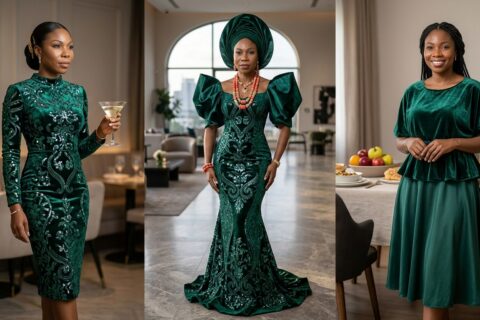
Wedding Fashion Timeline: When Should You Buy Your Lace Fabric?
When Should You Buy Your Wedding Lace?
There is a particular kind of panic that happens when a wedding is getting close.
The invitation has been sent.
The venue is booked.
The makeup artist is confirmed.
But then you suddenly realise:
“Wait… I haven’t bought my fabric.”
Now you’re calling fabric stores, messaging your tailor, searching for your size, looking for the perfect colour, and wondering whether there is still enough time to get everything done.
The truth is simple:
Beautiful wedding outfits are rarely created at the last minute.
From choosing your lace to finding a tailor, sewing the outfit, having fittings, and selecting your accessories, giving yourself enough time makes the entire process easier.
So, when should you actually buy your wedding lace?
Let’s break it down.
6 Months Before the Wedding: Start Watching
You don’t necessarily have to buy your fabric six months before the wedding.
But this is the perfect time to start paying attention.
Start thinking about:
- The wedding date.
- The dress code.
- The Aso Ebi colour.
- Your preferred style.
- Your budget.
- Your tailor.
- The type of lace you want.
This is also a good time to create a folder of style inspiration.
Save pictures of:
- Gowns.
- Boubous.
- Iro and buba.
- Peplum styles.
- Sleeves.
- Gele styles.
- Accessories.
Don’t worry about choosing one design yet.
At this stage, you’re simply discovering what you like.
4–5 Months Before: Choose Your Fabric
Now things become more serious.
Once the Aso Ebi fabric has been announced—or once you’ve decided what you’re wearing—start shopping.
This is an ideal time to purchase your lace because you have enough time to:
- Compare fabrics.
- Check colours.
- Speak with your tailor.
- Confirm yardage.
- Order online if necessary.
- Arrange delivery.
- Make changes if needed.
If you’re buying a premium or limited fabric, don’t assume it will still be available weeks later.
Popular fabrics can sell quickly.
3–4 Months Before: Meet Your Tailor
Once you’ve purchased your fabric, it’s time to discuss the actual outfit.
Take your lace to your tailor and discuss:
The Design
Will it be:
- A fitted gown?
- A boubou?
- An iro and buba?
- A kaftan?
- A two-piece?
The Fabric Placement
Ask how the embroidery or motifs will be positioned.
This is particularly important with heavily patterned lace.
A beautiful motif can completely transform the appearance of a dress when placed strategically.
The Yardage
Your tailor should confirm whether you have enough fabric for your chosen design.
2–3 Months Before: Sewing Begins
This is when your fabric starts becoming an outfit.
Your tailor should begin working on:
- Cutting.
- Construction.
- Embellishment.
- Lining.
- Sleeves.
- Finishing.
Don’t wait until the week of the wedding to start sewing.
Your tailor may have several other clients preparing for different events.
Giving them enough time reduces unnecessary pressure.
6–8 Weeks Before: Your First Fitting
Now you should be able to see the outfit taking shape.
During the fitting, check:
- Shoulder fit.
- Bust area.
- Waist.
- Hips.
- Sleeve length.
- Dress length.
- Neckline.
- Overall comfort.
Don’t be afraid to speak up.
If something doesn’t feel right, say so early.
It’s much easier to correct a problem at this stage than two days before the wedding.
4–6 Weeks Before: Choose Your Accessories
Now that your outfit is taking shape, choose the finishing touches.
Think about:
Gele
Should it be:
- Aso Oke?
- Metallic?
- Plain?
- Embellished?
Shoes
Consider your lace colour and the formality of the event.
Bag
A structured clutch usually works beautifully for formal weddings.
Jewellery
If your lace is heavily embellished, you may not need very heavy jewellery.
Remember:
Your accessories should complete the outfit—not compete with it.
2–3 Weeks Before: Final Fitting
This is your serious fitting.
Your tailor should now be checking the final shape of the outfit.
Move around.
Sit down.
Raise your arms.
Walk.
Don’t just stand in front of the mirror.
You want to know that the outfit is not only beautiful but also comfortable.
One Week Before: Stop Experimenting
This is not the time to suddenly change your entire design.
Your outfit should already be finished or very close to finished.
Check that you have:
- Lace outfit.
- Gele.
- Shoes.
- Bag.
- Jewellery.
- Undergarments.
- Accessories.
Try everything together.
This allows you to spot anything that doesn’t work.
The Night Before
Your lace outfit should already be ready.
Steam or press it according to the fabric’s care requirements.
Pack your accessories together.
Keep your shoes and bag where you can easily find them.
And most importantly:
Relax.
You’ve done the work.
Wedding Day: Wear the Story
This is the moment the fabric you’ve been planning for months finally becomes part of a memory.
The lace isn’t sitting in a shop anymore.
It isn’t folded inside a wardrobe.
It has become:
your outfit.
And hopefully, when you look back at the photographs years from now, you’ll remember not only how beautiful it looked, but how special that day felt.
What If the Wedding Is Only 2 Weeks Away?
Don’t panic.
You can still put together a beautiful outfit, but you’ll need to move quickly.
Prioritise:
1. Fabric
Buy it immediately.
2. Tailor
Choose someone reliable with availability.
3. Design
Don’t choose an unnecessarily complicated design.
4. Accessories
Buy them once the outfit direction is confirmed.
5. Fittings
Stay in close communication with your tailor.
The less complicated the process, the better your chances of getting everything done properly.
The Biggest Mistake? Waiting Until the Last Minute
The problem with last-minute fabric shopping isn’t just stress.
You may also have fewer options.
Your preferred:
- Colour may be sold out.
- Fabric may no longer be available.
- Tailor may be fully booked.
- Preferred design may require more time.
- Accessories may be difficult to find.
When you shop early, you shop with choice.
When you shop late, you often shop with whatever is left.
Your Simple Wedding Lace Timeline
| Time Before Wedding | What to Do |
|---|---|
| 6 Months | Start researching styles |
| 4–5 Months | Buy your lace |
| 3–4 Months | Consult your tailor |
| 2–3 Months | Begin sewing |
| 6–8 Weeks | First fitting |
| 4–6 Weeks | Choose accessories |
| 2–3 Weeks | Final fitting |
| 1 Week | Complete outfit check |
| Night Before | Prepare everything |
| Wedding Day | Enjoy your moment |
Why Buying Your Lace Early Is Worth It
Early shopping gives you something extremely valuable:
peace of mind.
You have time to choose.
Time to compare.
Time to change your mind.
Time to tailor properly.
Time to fix mistakes.
And time to actually enjoy preparing for the celebration.
Find Your Wedding Lace at Subtle Fabrics
At Subtle Fabrics, we understand that choosing your wedding fabric is part of preparing for one of life’s most memorable occasions.
Since 1956, we’ve helped customers find premium fabrics for weddings, Aso Ebi, traditional ceremonies, birthdays, and other celebrations.
From elegant cord lace and Swiss voile to beaded and sequined lace, the right fabric is the beginning of an outfit—and sometimes, the beginning of a beautiful memory.
Don’t wait until your wedding countdown becomes a crisis. Start with the fabric.
Frequently Asked Questions
How early should I buy lace for a wedding?
Ideally, purchase your lace around 4–5 months before the wedding, especially if you want enough time for tailoring, fittings, and alterations.
Can I buy lace one month before a wedding?
Yes, but your options may be more limited and your tailor may have a busy schedule. It is better to purchase earlier whenever possible.
Should I choose my tailor before buying lace?
It’s helpful to involve your tailor early because they can advise you on the fabric type, yardage, and whether your preferred design will work well with the fabric.
How much lace should I buy?
The amount depends on your design, body measurements, and whether you’re making a gown, boubou, iro and buba, or another style. Your tailor should confirm the required yardage.
What should I do if my fabric is heavily embellished?
Discuss the fabric with your tailor before cutting. Intricate motifs, beads, and embroidery may need careful placement to achieve the best result.