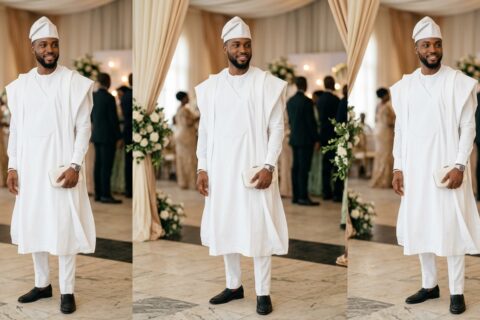
What Makes a Fabric “Tailor-Friendly”? What Every Man Should Know Before Buying
What Makes a Fabric “Tailor-Friendly”? What Every Man Should Know Before Buying
Have you ever bought a fabric you loved, only to have your tailor say:
“This one will be difficult to work with.”
Or perhaps you chose a beautiful fabric from a picture, but the finished outfit looked nothing like what you imagined.
The problem may not be the tailor.
It may be the fabric.
When shopping for men’s traditional wear, most people focus on colour, pattern, price and appearance. Very few ask an equally important question:
“Is this fabric suitable for the outfit I want to make?”
That is where the idea of a tailor-friendly fabric becomes important.
A tailor-friendly fabric is one that works well with the intended design, can be cut and constructed without unnecessary difficulty, and produces a clean finish when properly handled.
It doesn’t necessarily mean the fabric is cheap, thin or easy to sew.
It means the fabric’s weight, structure, drape, texture, pattern and behaviour work with the garment you’re trying to create.
Let’s look at what that actually means.
What Does “Tailor-Friendly Fabric” Mean?
There is no single type of fabric called “tailor-friendly.”
Instead, the term describes how easily a particular fabric can be used successfully for a particular garment.
For example, a fabric may be excellent for a structured Senator outfit but not ideal for a flowing Agbada.
Another fabric may look beautiful in an Agbada but require more planning when used for intricate embroidery.
So rather than asking:
“Is this a good fabric?”
A better question is:
“Is this a good fabric for the outfit I want?”
That small change in thinking can save you money, time and disappointment.
1. Weight Matters More Than You Think
One of the first things your tailor considers is the weight of the fabric.
Weight affects how the finished garment behaves.
A heavier fabric may:
- Hold its shape well
- Create a structured silhouette
- Feel substantial
- Work beautifully for certain Senator or Agbada styles
But a fabric that is too heavy for a particular design can become uncomfortable and may not produce the movement you want.
Lighter fabrics may:
- Drape more naturally
- Feel more comfortable in warm weather
- Create softer movement
- Work well for certain flowing styles
However, very lightweight fabrics may require additional considerations such as lining or reinforcement.
The goal isn’t to find the heaviest or lightest fabric.
The goal is to find the right weight for the design.
2. Drape Can Make or Break Your Outfit
Drape describes how fabric falls and moves when it hangs or is worn.
This is particularly important for men’s traditional outfits.
Think about an Agbada.
You want the fabric to create a graceful silhouette rather than standing stiffly or collapsing awkwardly.
Now think about a Senator outfit.
You may want more structure and definition.
This is why the same fabric may produce very different results depending on the style.
Before buying, ask your tailor:
“How will this fabric fall in the design I’m planning?”
That question can be more useful than simply asking whether the fabric is expensive.
3. Texture Affects the Final Finish
Some fabrics are smooth.
Others are heavily textured, patterned or embellished.
Texture can affect:
- How the fabric is cut
- How seams sit
- How embroidery appears
- How the fabric photographs
- How the final garment feels
A richly textured fabric may already have enough visual interest that you don’t need heavy embroidery.
A simpler fabric may give your tailor more freedom to introduce decorative details.
This is especially important when creating men’s Aso Ebi, where the goal is often to look coordinated without making the outfit too busy.
4. Pattern Direction Can Create Problems
This is one detail many buyers don’t think about.
Some fabrics have patterns that can be placed in different directions.
Others have a very obvious direction.
That can affect how much fabric you need and how the tailor cuts the garment.
A patterned fabric may require more careful placement to make sure the design looks consistent across:
- The front
- Sleeves
- Chest
- Trousers
- Agbada panels
- Pockets
This is one reason a fabric that looks generous on the roll may not produce as much usable material as expected.
Pattern placement can affect fabric usage.
5. Embroidery Compatibility Matters
Men’s traditional wear and embroidery often go together.
But not every fabric responds to embroidery in the same way.
Your tailor needs to consider:
- Fabric density
- Surface texture
- Thickness
- Pattern
- Where the embroidery will be placed
A heavily patterned Brocade, for example, may not need the same level of embroidery as a relatively plain Atiku.
Likewise, a delicate or open lace may require a completely different approach to decorative finishing.
Before buying, think about the finished garment—not just the beauty of the fabric on the roll.
6. Some Fabrics Need Lining
Lining is another factor that affects whether a fabric works well for a particular design.
Depending on the material, lining may help with:
- Opacity
- Structure
- Comfort
- Finish
- Durability
- Overall appearance
White and lighter-coloured fabrics deserve particular attention because transparency can become more noticeable.
Lace and other open fabrics may also need additional planning depending on the final outfit.
So if your tailor says:
“This needs lining.”
Don’t automatically see that as a problem.
It may simply be part of getting the best result from that fabric.
7. Stretch and Recovery Matter
Some fabrics have little to no stretch.
Others may have some degree of movement or flexibility.
This can affect how the garment fits and behaves.
For a structured men’s outfit, too much movement may affect the sharpness of the silhouette.
For other garments, some flexibility may improve comfort.
The important point is that fabric behaviour should match garment design.
Your tailor should know what the fabric can and cannot comfortably do.
8. Fabrics That Fray Need More Care
Some fabrics can fray more easily during cutting and construction.
That doesn’t make them bad fabrics.
It simply means your tailor may need to use more careful finishing techniques.
A good tailor doesn’t judge a fabric only by whether it’s easy to sew.
They also consider:
Can I control this fabric properly?
Will the seams finish neatly?
Will the garment remain durable after construction?
That is the real definition of working successfully with a fabric.
9. A Fabric Can Be Beautiful and Still Be Wrong for Your Style
This is probably the biggest lesson.
You can walk into a fabric store and immediately fall in love with a particular material.
But beauty alone isn’t enough.
Imagine you want a soft-flowing Agbada.
You find a very structured fabric that looks amazing on the roll.
It may be beautiful.
But it may not produce the movement you want.
Or perhaps you’re looking for a sharp Senator outfit and select a fabric that falls too softly.
Again, beautiful fabric.
Wrong application.
The fabric and the outfit have to make sense together.
10. Your Tailor Should See the Fabric Before Cutting
This is one of the smartest things you can do.
Don’t always send a photograph of the fabric to your tailor and assume that is enough.
When possible, let the tailor physically examine the material.
They can assess:
- Weight
- Drape
- Stretch
- Pattern direction
- Transparency
- Texture
- Embroidery possibilities
- Lining requirements
- Cutting considerations
That information can influence the final design.
Sometimes the fabric you bought may actually inspire a better style than the one you originally planned.
Fabric Types and the Styles They Can Suit
There isn’t a universal rule, but some general patterns can help.
Atiku
Often works well for structured men’s traditional outfits such as Senator styles and selected Agbada designs.
Its appeal lies in its refined appearance and versatility.
Brocade
Its rich woven texture can create a luxurious appearance and work well for Senator outfits and statement traditional wear.
Damask
Known for decorative woven designs, Damask can create a sophisticated traditional look and works especially well when the design allows the fabric pattern to remain visible.
Lace
Lace can create a statement look, particularly for Aso Ebi and ceremonial outfits, but requires careful consideration of lining, pattern placement and finishing.
Velvet
Velvet has a rich visual and tactile quality and can be striking for special occasions, although its weight and texture need to be considered when selecting the right design.
The specific fabric composition and construction still matter, so these should be treated as starting points rather than rigid rules.
7 Questions to Ask Your Tailor Before Buying Fabric
Take these questions with you when shopping:
1. Will this fabric work for the style I want?
2. Will I need lining?
3. How much fabric should I buy?
4. Will the pattern affect the amount I need?
5. Can it handle the embroidery I want?
6. How will it fall once sewn?
7. Are there any special finishing requirements?
A five-minute conversation can prevent an expensive mistake.
How Much Should You Trust the Fabric Seller?
Your fabric supplier should know the material well enough to explain its general characteristics.
But a good seller should also know when to say:
“Please confirm this with your tailor.”
That’s because the perfect amount or suitability can depend on the specific garment, body measurements and desired design.
At Subtle Fabrics, the goal isn’t simply to sell you fabric.
It is to help you find material that makes sense for what you intend to create.
Whether you’re buying Atiku, Brocade, Damask, Lace, Velvet or another men’s fabric, understanding the material before purchase can make the entire tailoring process easier.
The Real Secret to a Great Men’s Outfit
People often think an impressive native outfit starts with the tailor.
In reality, it starts much earlier.
It starts with choosing:
The right fabric.
Then:
The right design.
Then:
The right tailor.
When those three work together, the final outfit becomes much easier to get right.
The most expensive fabric in the shop isn’t automatically the best choice.
The best choice is the fabric that works with your vision.
Final Thoughts
A tailor-friendly fabric isn’t simply one that is easy to sew.
It is a fabric whose weight, drape, texture, structure, pattern and finishing requirements work with the outfit you want to create.
That is why you shouldn’t buy men’s fabric based on colour or price alone.
Before you pay, think about the finished outfit.
Ask your tailor questions.
Understand how the fabric behaves.
And choose a supplier who can help you make an informed decision.
Because a beautiful outfit doesn’t begin when the needle touches the fabric.
It begins when you choose the right fabric.
Shop Men’s Fabrics at Subtle Fabrics
Looking for quality fabric for your next Senator, Agbada, Kaftan or men’s Aso Ebi outfit?
Explore the men’s fabric collection at Subtle Fabrics and discover quality Atiku, Brocade, Damask, Lace, Velvet and more.
Don’t just buy a fabric. Buy the right fabric for the outfit you want to create.